Chromic acid anodising excels compared to other anodising techniques when the fatigue strength of the aluminium substrate needs to be maintained.
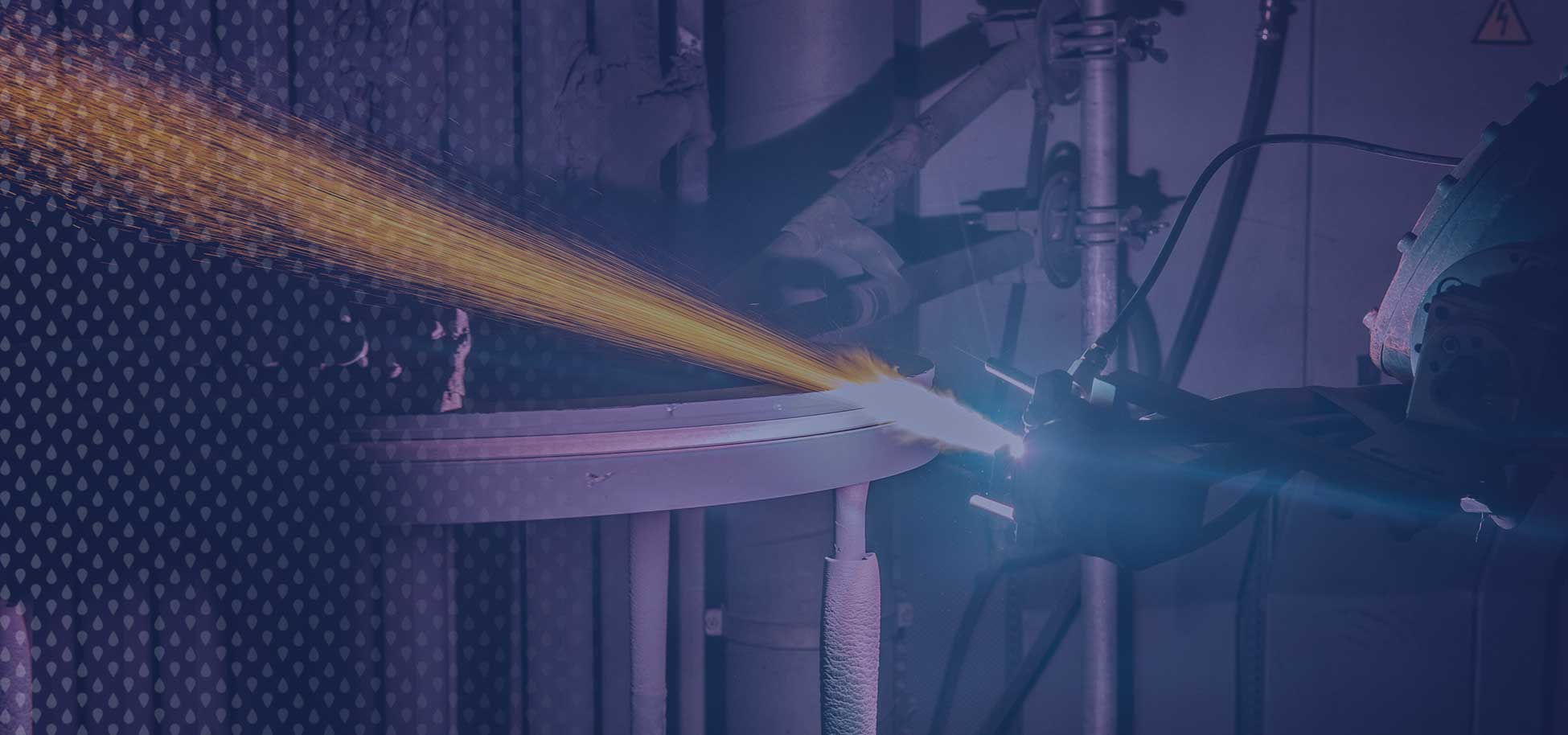
Metal Spraying
Metal spraying is a surface coating process of applying materials to a component to increase properties such as corrosion, wear, or heat resistance, as well as for conductivity and salvage purposes.

Apticote 900
Poeton Industries Ltd > Treatment CADMIUM PLATE – APTICOTE 900 Apticote 900 is an electrolytic process that can deposit protective [...]
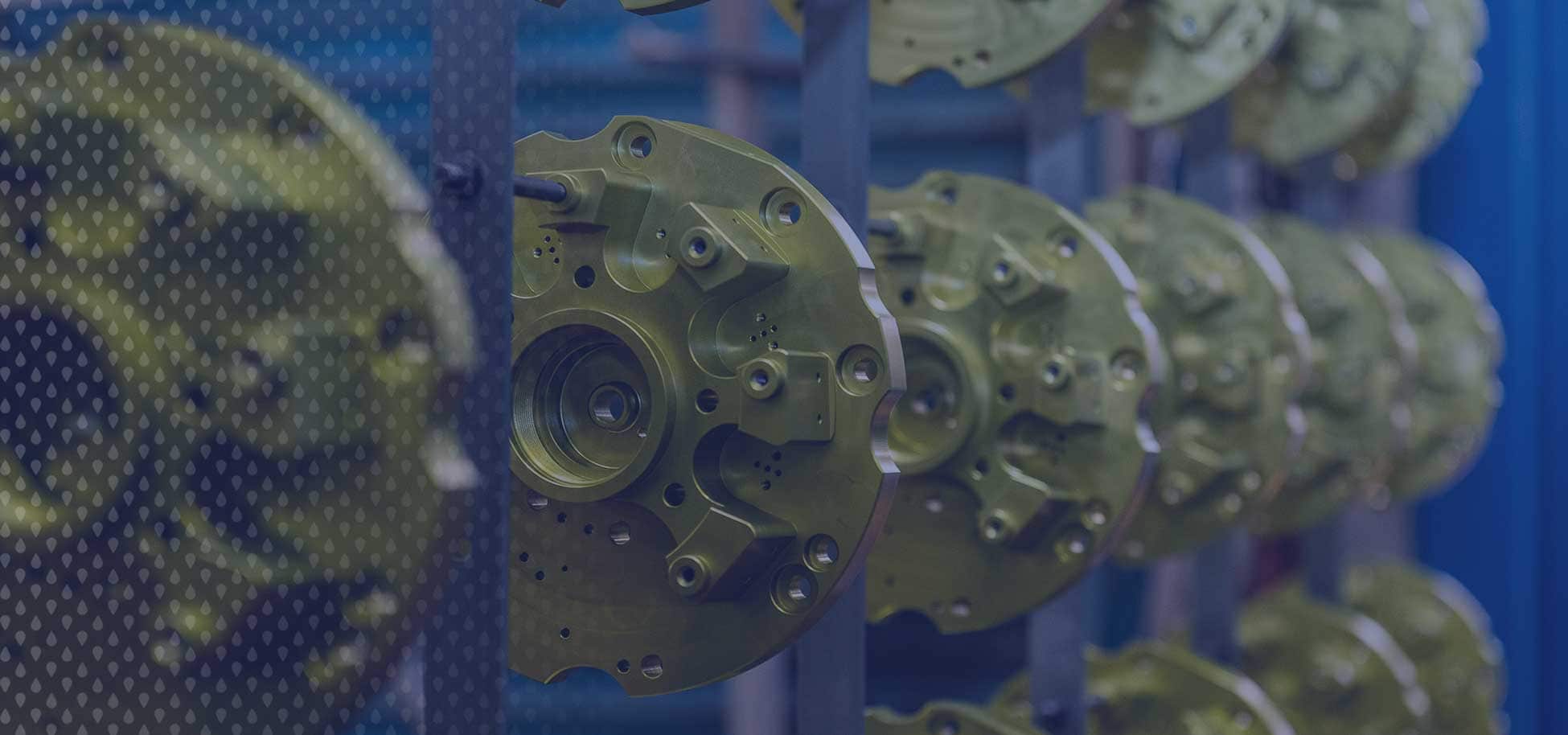
Hard Anodising
Hard anodising typically provides a thicker anodising layer and used for wear resistance, corrosion protection and thermal or electrical insulation.
Sulphuric Acid Anodising
Sulphuric acid anodising is a surface treatment used for its anti-corrosion properties and when additional durability or colouring by dying is required.
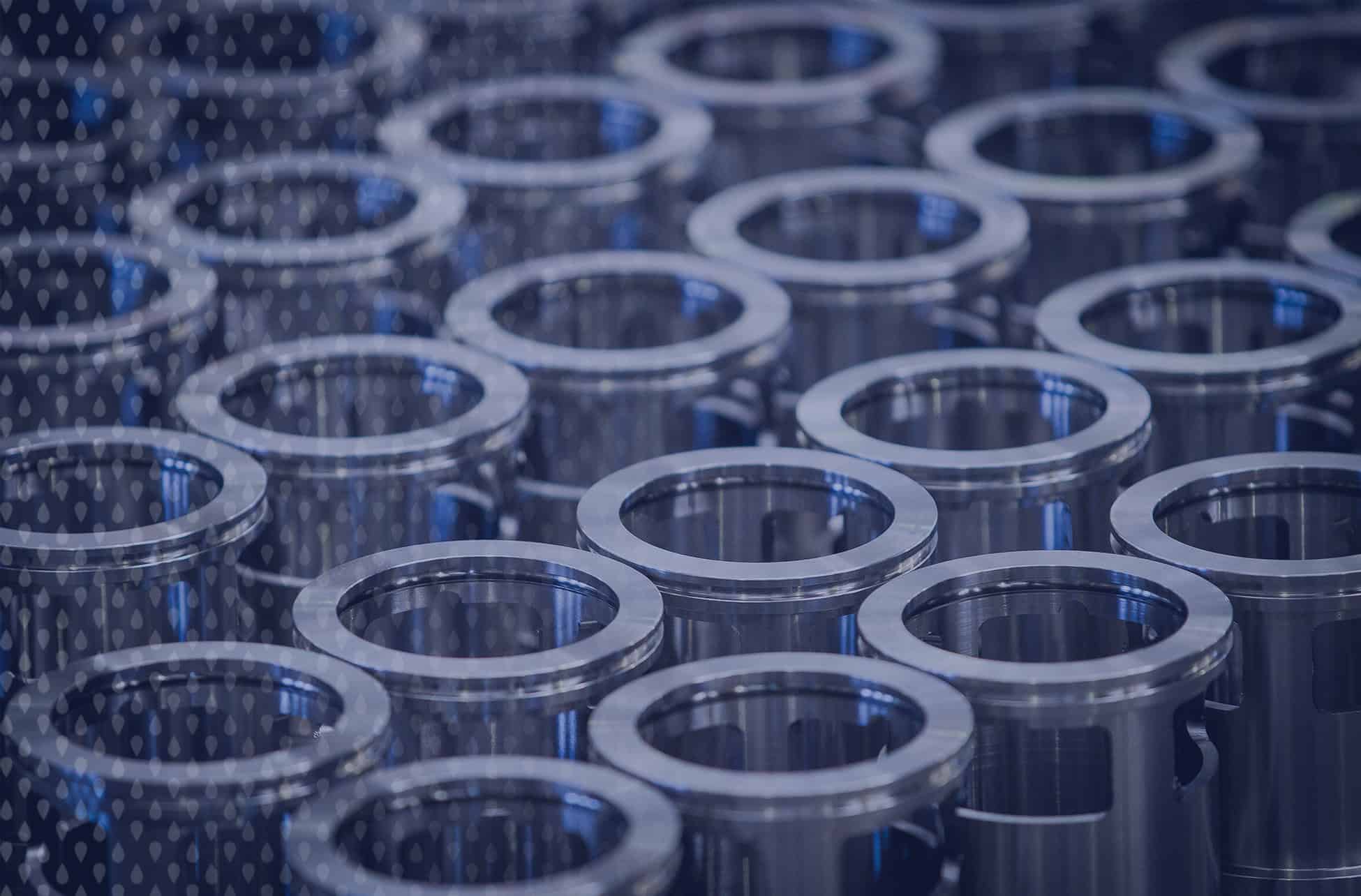
Tartaric Sulphuric Acid Anodising
Tartaric Sulphuric Acid Anodising is used as a pre-treatment to aerospace and defence paint systems as well as a key alternative to Chromic acid anodising.

Titanium Anodising
Titanium anodising converts the thin surface layer of titanium into titanium dioxide & provides a thick, robust layer with excellent anti-corrosion properties.
Alocrom replacements (Non hexavalent Chromate conversion coatings)
Poeton has invested a huge amount of R&D resource over the last 7 years evaluating and perfecting the application methods of the Alocrom alternatives, such as: Surtec 650V, Iridite NCP and Socomore TCS PACS.
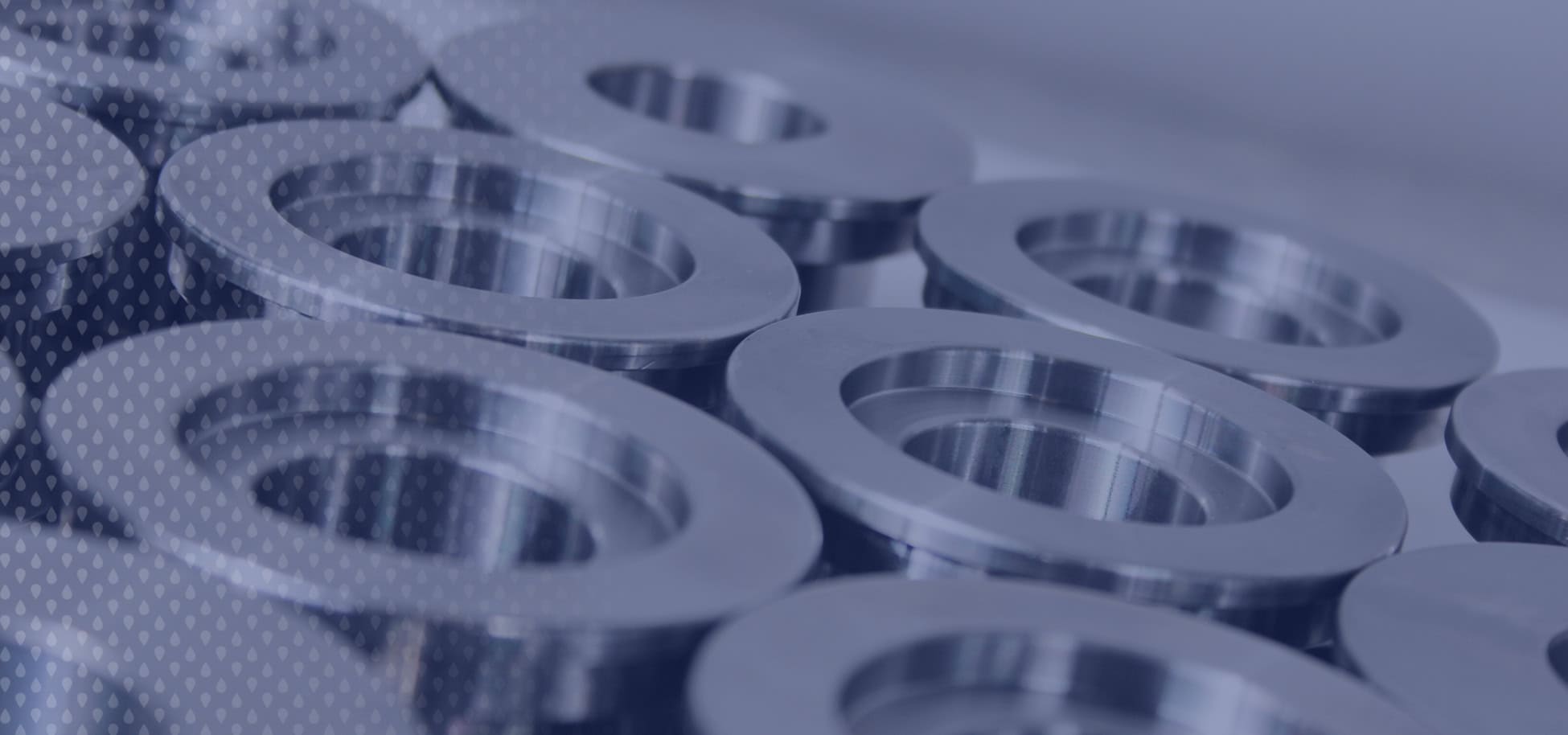
Alocrom/Alodine
Alochrom (Alodine in the US) is a Chromate conversion coating that is applied to aluminium alloys, providing corrosion protection and good paint adhesion.
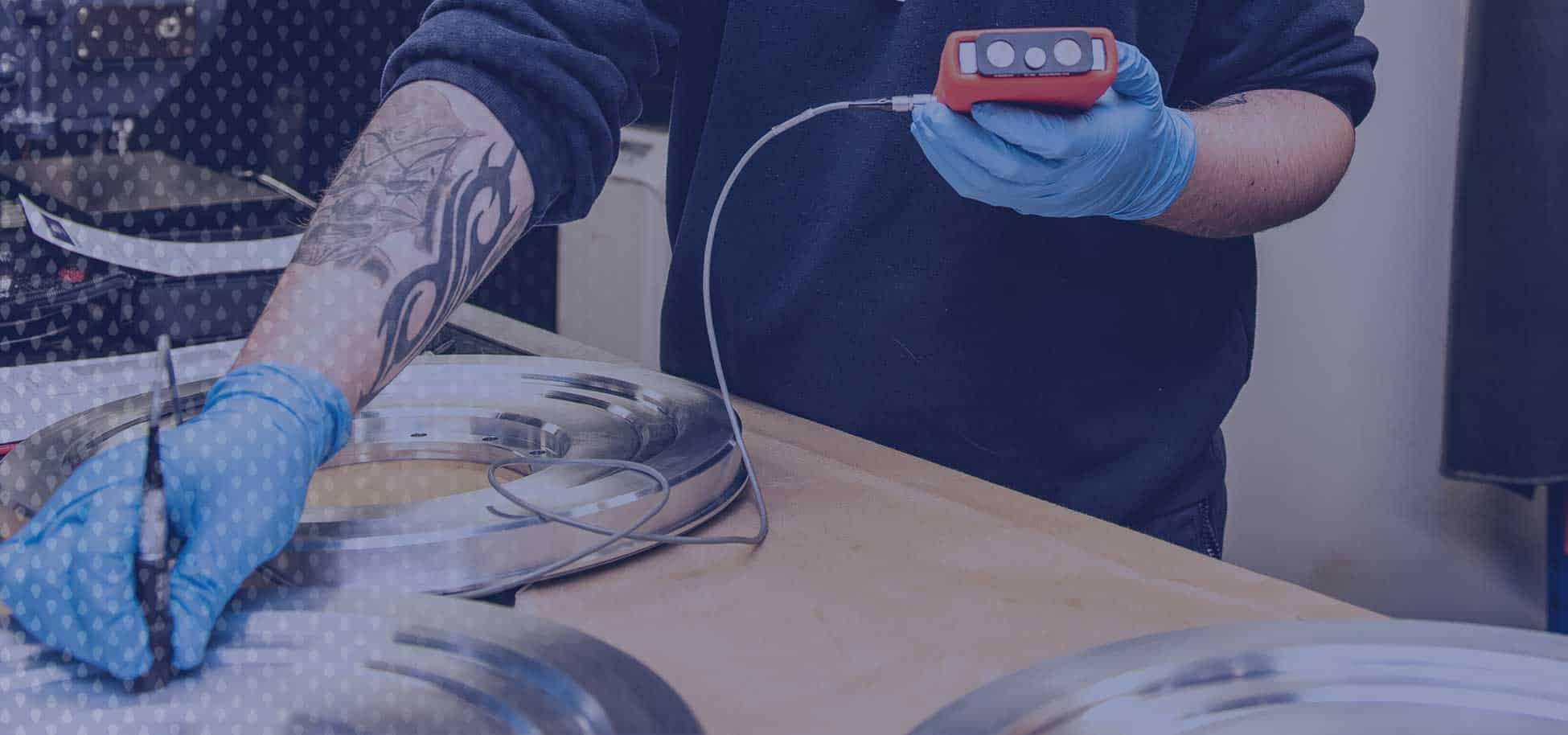
NDT – Conductivity testing
Eddy current conductivity testing is an NDT technique used to determine properties including hardness, type of metal & heat treatment and effects of corrosion.
Zinc Nickel Plating
Zinc Nickel is used as an environmentally and process friendly alternative to cadmium that provides sacrificial corrosion protection.

Plasma Spray
Plasma spray coatings are a series of thermal processes that fire a high-velocity stream of heated particles on to a substrate to provide a range of benefits.