Zinc Nickel – The Cadmium Replacement
Cadmium plating has long been the number one choice for engineers seeking corrosion protection, particularly in the aerospace industry. However, environmental and safety concerns mean an alternative is required, and it is becoming increasingly clear the cadmium alternative of choice is Zinc Nickel.
What made cadmium such a popular choice?
Cadmium plating is an electrolytic process that deposits a layer of cadmium onto the surface of a substrate providing corrosion protection, including sacrificial protection. When applied as a coating on steels or other metals, it corrodes preferentially and the substrate remains undamaged, even if the coating is scratched. It is normally applied with a thickness of between 5 and 20µm and boasts that its own corrosion rate being one-fiftieth of that of steel.
The use of cadmium provides a host of benefits, hence why it has been a popular choice since WWII.
- Corrosion protection – corrodes preferentially to other metals & provides outstanding corrosion protection.
- Low friction – the low coefficient of friction allows for routine disassembly inspections to cause little wear and preventing galling.
- Small volume growth – allows for use on threaded components and those with tight dimensional tolerances.
- Smooth, aesthetic finish – as plated with no need for final grinding. The surface finish also provides good adhesion for paint.
- Chromate passivate – is often applied after cadmium plating to further increase the corrosion resistance.
But these days, cadmium is not without its problems. Firstly, environmental concerns mean it features on both the EU’s REACH (Registration, Evaluation, Authorisation and Restriction of Chemicals) and RoHS (Restriction of Hazardous Substances) regulations, which heavily restrict its use to only a few industries and applications, mainly aerospace and defence, as well as being heavily regulated throughout the rest of the world. In addition to this, cadmium is highly toxic to humans and classed as carcinogenic, therefore extensive safety measures are required in order to process it.

Given these problems and concerns, a replacement is required. And it is zinc nickel that is emerging as the leading cadmium replacement and is already being adopted by more and more industries for a range of applications.
The zinc nickel future
A common misconception is that zinc nickel is a new process. This is quite the contrary as it has been a popular coating choice since the mid-1980s having originally been developed for the automotive industry.
Zinc nickel coatings work in almost an identical way to cadmium in that it provides a sacrificial coating to protect against corrosion and is applied via electroplating. Zinc is the sacrificial element within the coating, but on its own it is too active and corrodes too easily. This is why between 12 and 16% nickel is added in order to slow the zinc’s activity. Plating tank makeup is therefore carefully monitored to ensure the optimum mix is maintained.
As a cadmium replacement, zinc nickel provides many of the other same benefits. As well as providing excellent corrosion protection, even higher than cadmium in many cases (>1000 hours salt spray resistance in Poeton laboratory tests), zinc nickel also offers the same excellent coverage and thicknesses in comparable ranges (10-20µm). It is also suitable for applying paint on top of, offering good adhesion, but also extends to the application of topcoats of dry film lubricants.
Zinc nickel is also suitable for applications where temperatures reach 120°C, as well as providing a hard, wear resistant layer that is free from irregularities and provides a lower coefficient of friction than unplated.
Zinc nickel’s biggest benefit over cadmium however, is undoubtedly the lack of any major environmental or safety concerns. Zinc nickel complies with both the EU’s REACH and RoHS regulations and can be used without fear that it will be banned by future regulatory changes.
Like any surface treatment, especially when changing to an alternative, there are several considerations for engineers and designers to be aware of.
- Appearance – One of the biggest differences is colour. Where cadmium gives a grey colour and produces an iridescent green/brown when passivated, zinc nickel coatings are a blue-grey colour.
- Slower plating rate – The zinc nickel process is slower than cadmium.
- Good throwing power – Zinc nickel retains good throwing power and is on a similar level to cadmium but does require special anodes to ensure even coverage down blind bores and around corners.
- Passivation – We still recommend a post-plating passivation procedure to further increase the properties of the coating.
- Hydrogen embrittlement – A low-hydrogen embrittlement process is available in order to process high tensile steels, but post-plating heat treatment can also be specified as a de embrittlement operation.
- Suitable substrates – Zinc nickel can be applied to a range of substrates, though steel is the most common.
- Food approval – Like cadmium, zinc nickel is not approved for food contact uses.
Zinc nickel is already being successfully used in a wide variety of industries and applications.
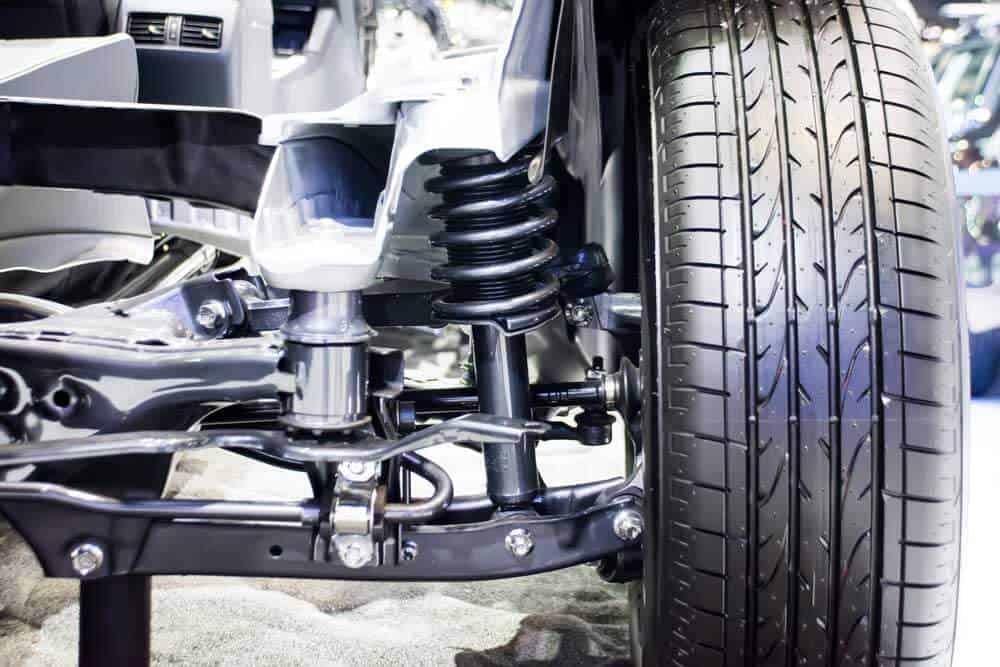
- Automotive – the original application for zinc nickel where it protects against corrosion in aggressive environments featuring salt and high temperatures.
- Aerospace and defence – landing gear, bearings, fasteners, structural components.
- Offshore oil & gas – Nuts, bolts.
- Marine – Fasteners, housings.
And it’s not just newly designed components that are moving to zinc-nickel. Poeton have worked closely with suppliers across the aerospace industry in updating existing designs to now use zinc-nickel, including several projects for undercarriage components in civil aerospace programmes.
Poeton have extensive experience in both cadmium and zinc nickel plating. Whether you know which option is right for you or need some technical guidance on the best coating for your application the contact Poeton today.